

Chef Bob Presents: Crudités
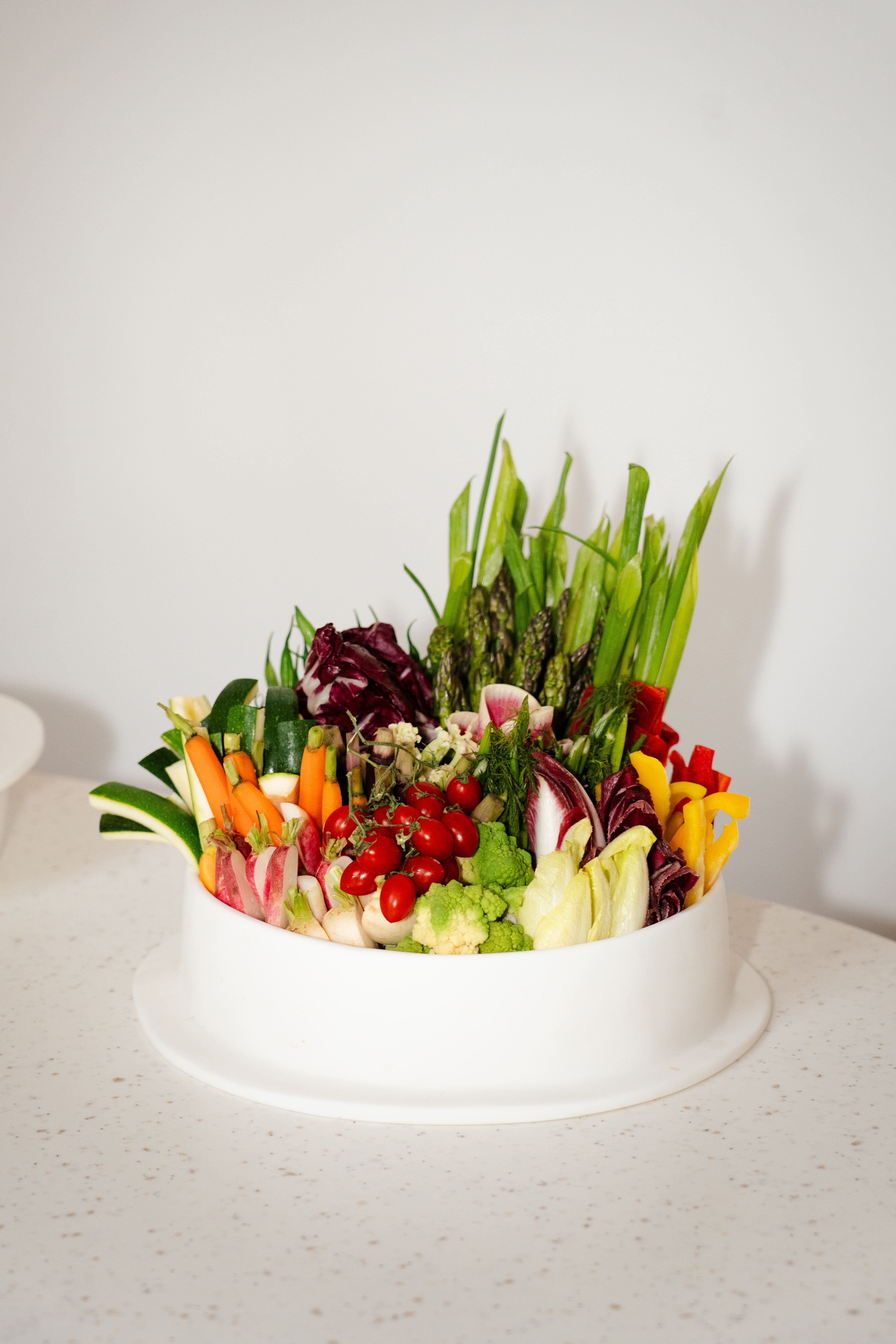
Long before food became a centerpiece of interaction at Pinch, I was taught that a crudités platter could be just as captivating as a floral arrangement.
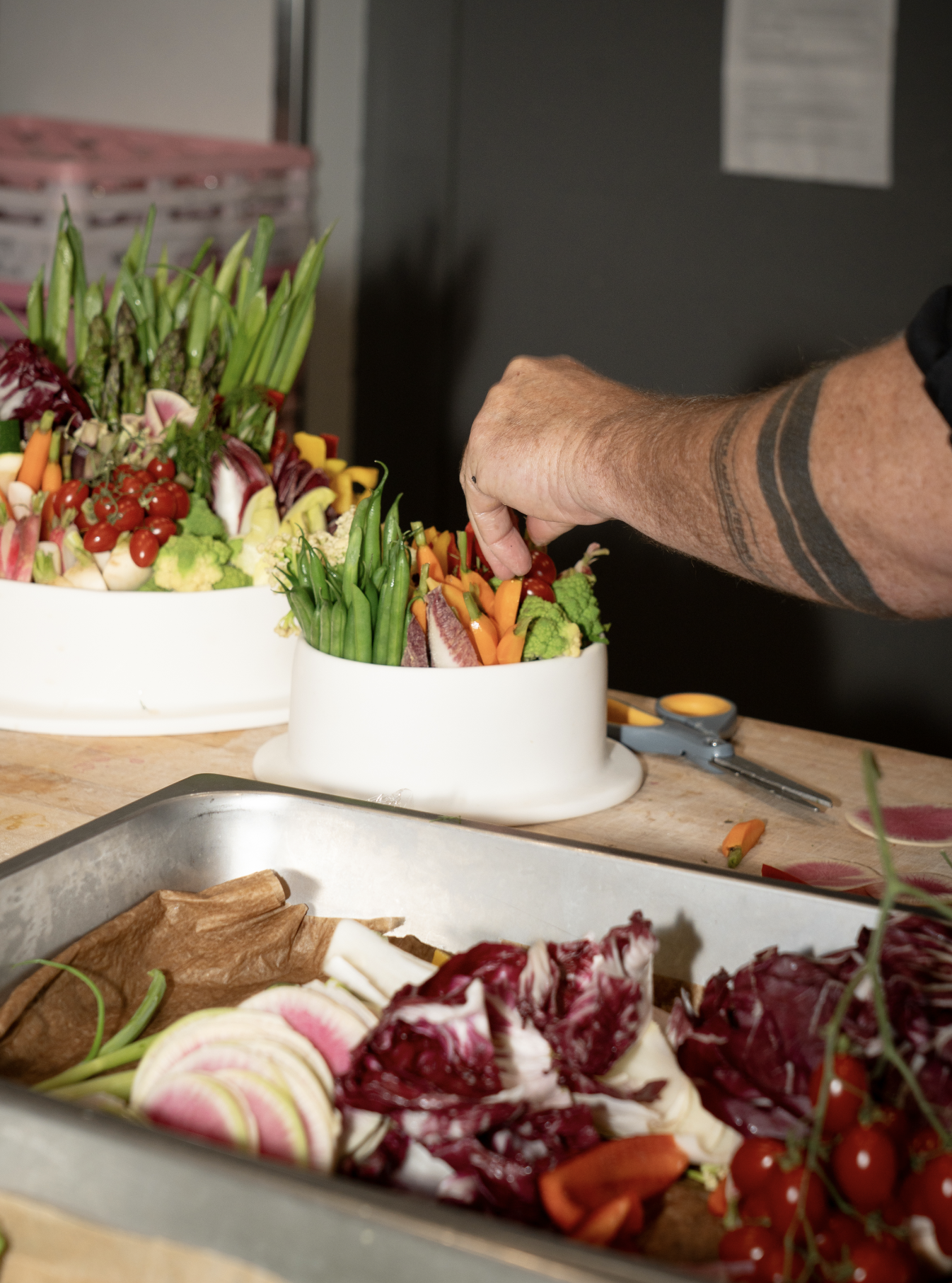
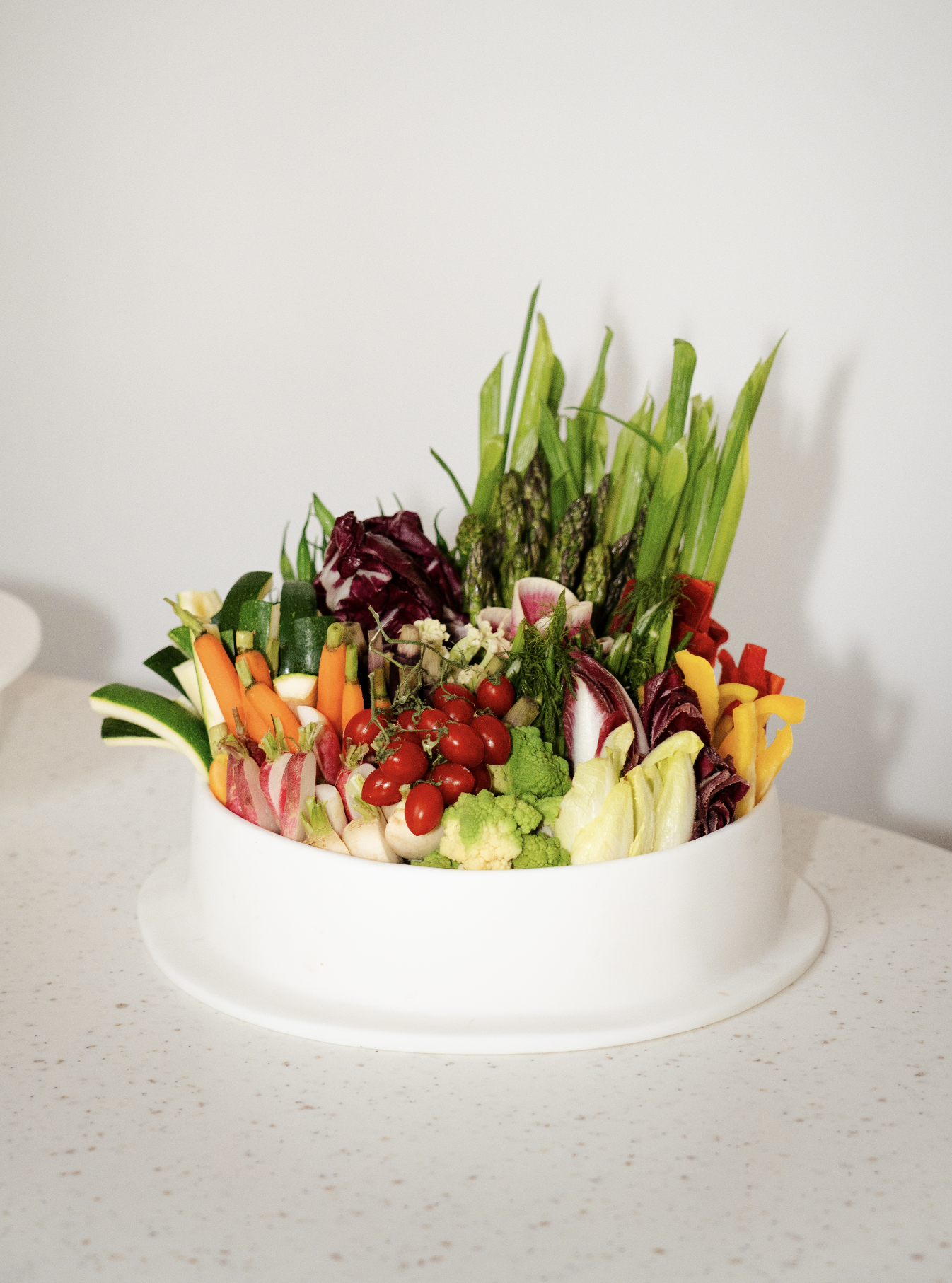
My training began with a classic French crudités layering technique, one designed to transform simple vegetables into an abundant, almost opulent display. The goal wasn’t just to serve vegetables; it was to create something that drew people in before they even took a bite.
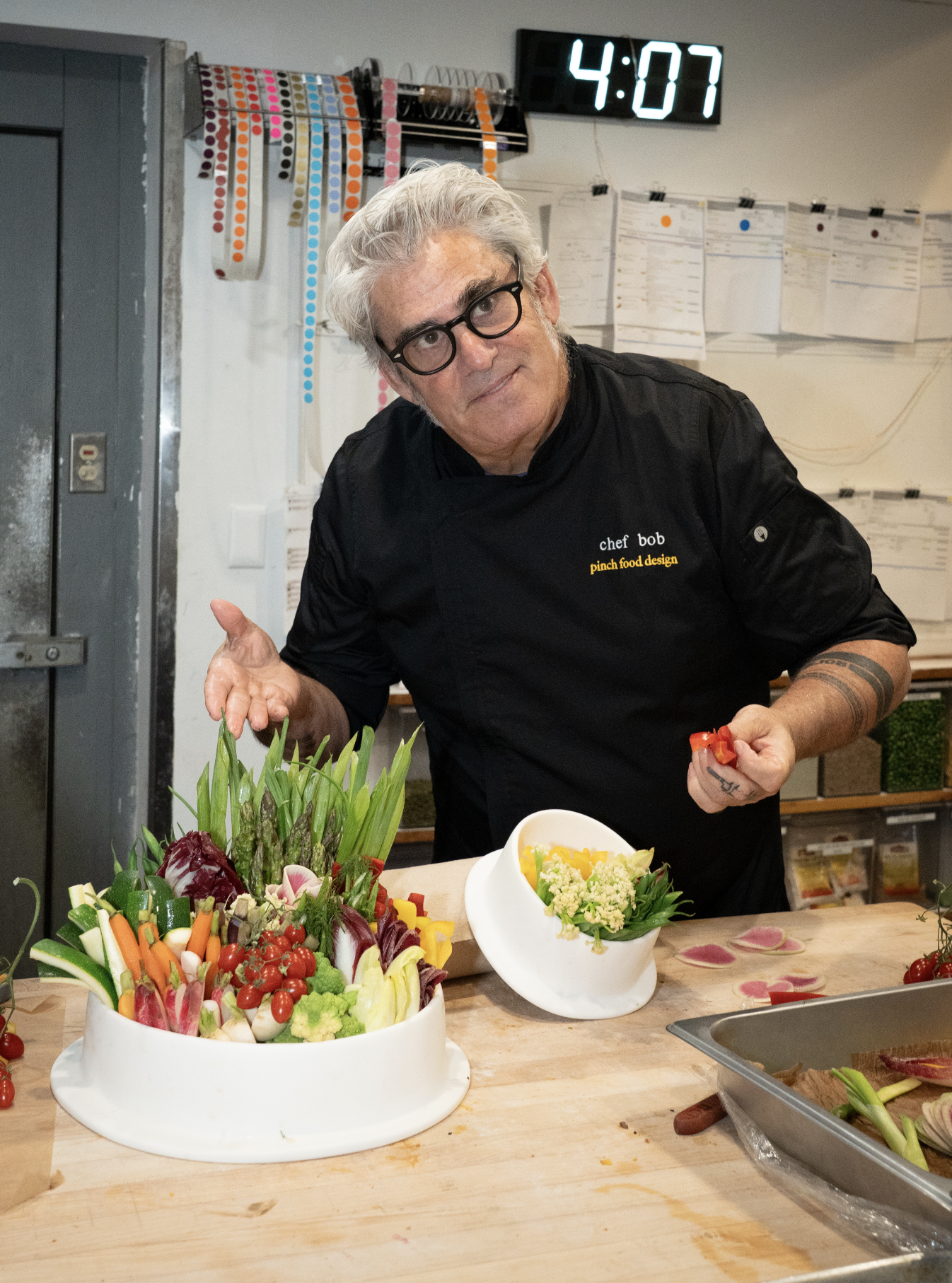
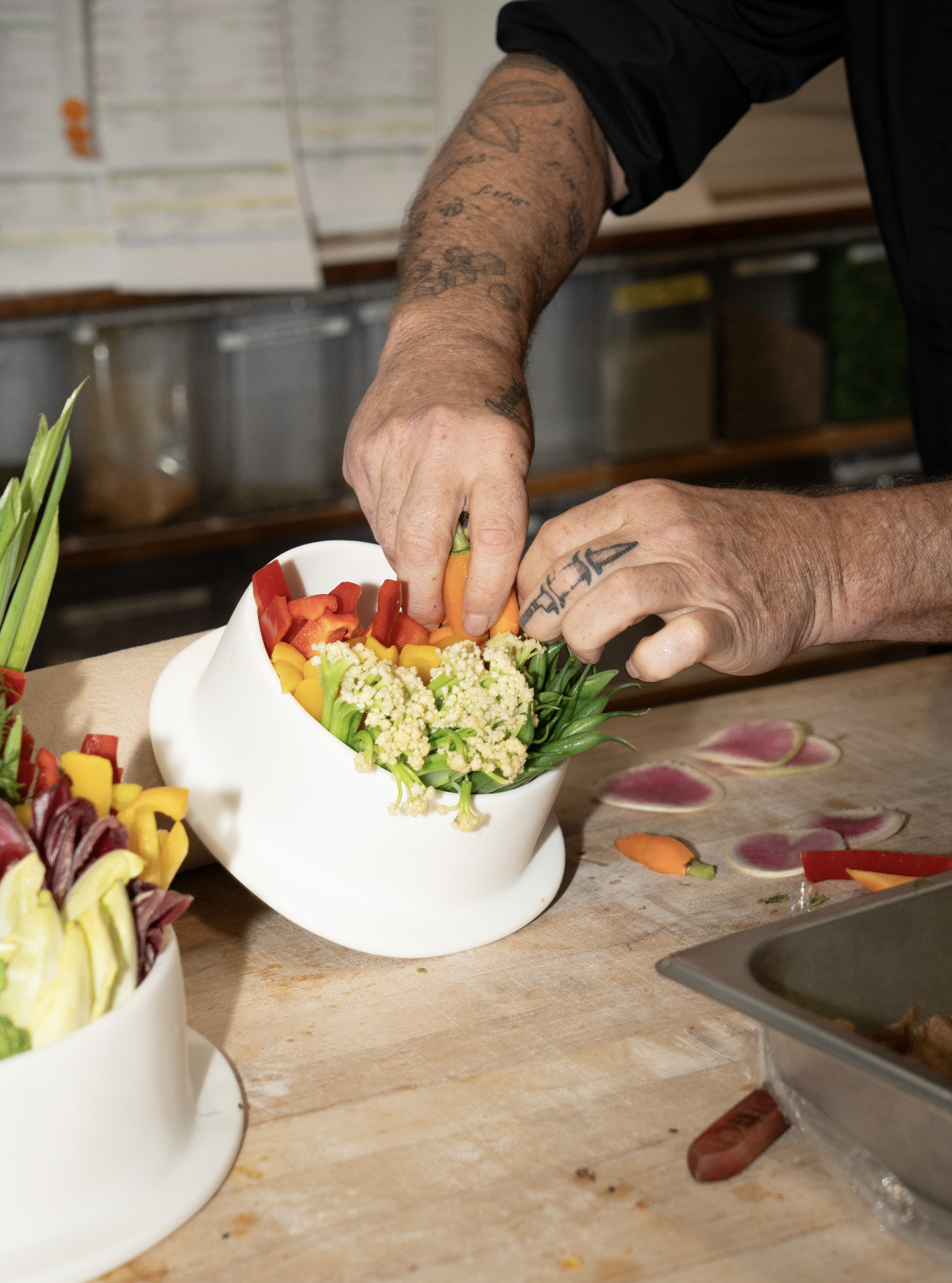
In 1983, Jean-Claude, the founder of a renowned New York catering company, taught me a lesson that has stayed with me throughout my career: beautiful vegetable displays make people feel healthy at parties. Whether or not guests consciously realize it, a vibrant arrangement of fresh produce changes the mood of the table. It feels generous, colorful, and inviting.
He also taught me that a great crudités display should never feel overly styled. Instead, it should look as though you had just returned from the farmers market with baskets overflowing with the season’s freshest vegetables. Carrots with their tops attached, colorful radishes, crisp cucumbers, peppers, fennel, snap peas, and herbs all arranged with a sense of natural abundance rather than rigid perfection.
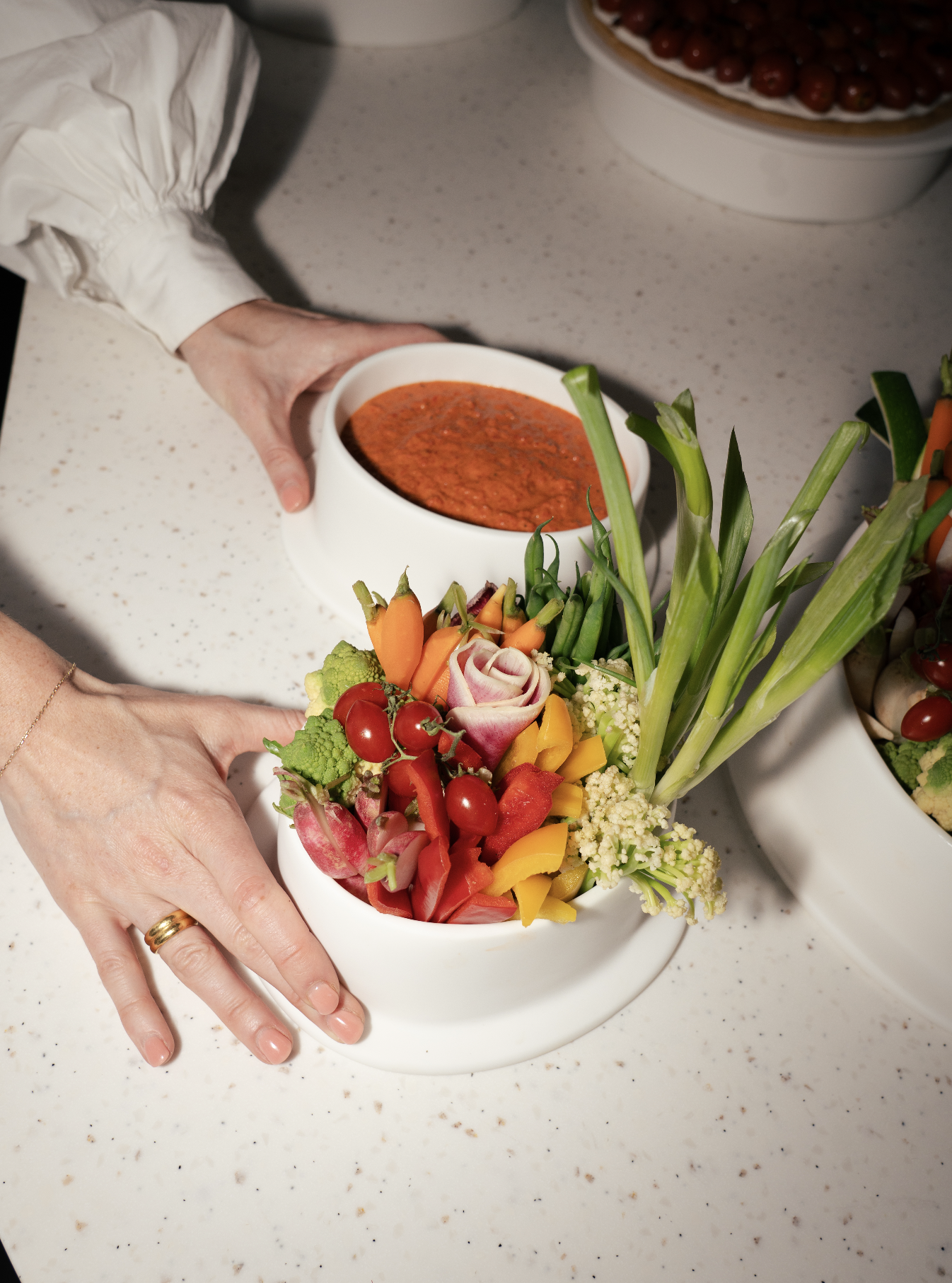
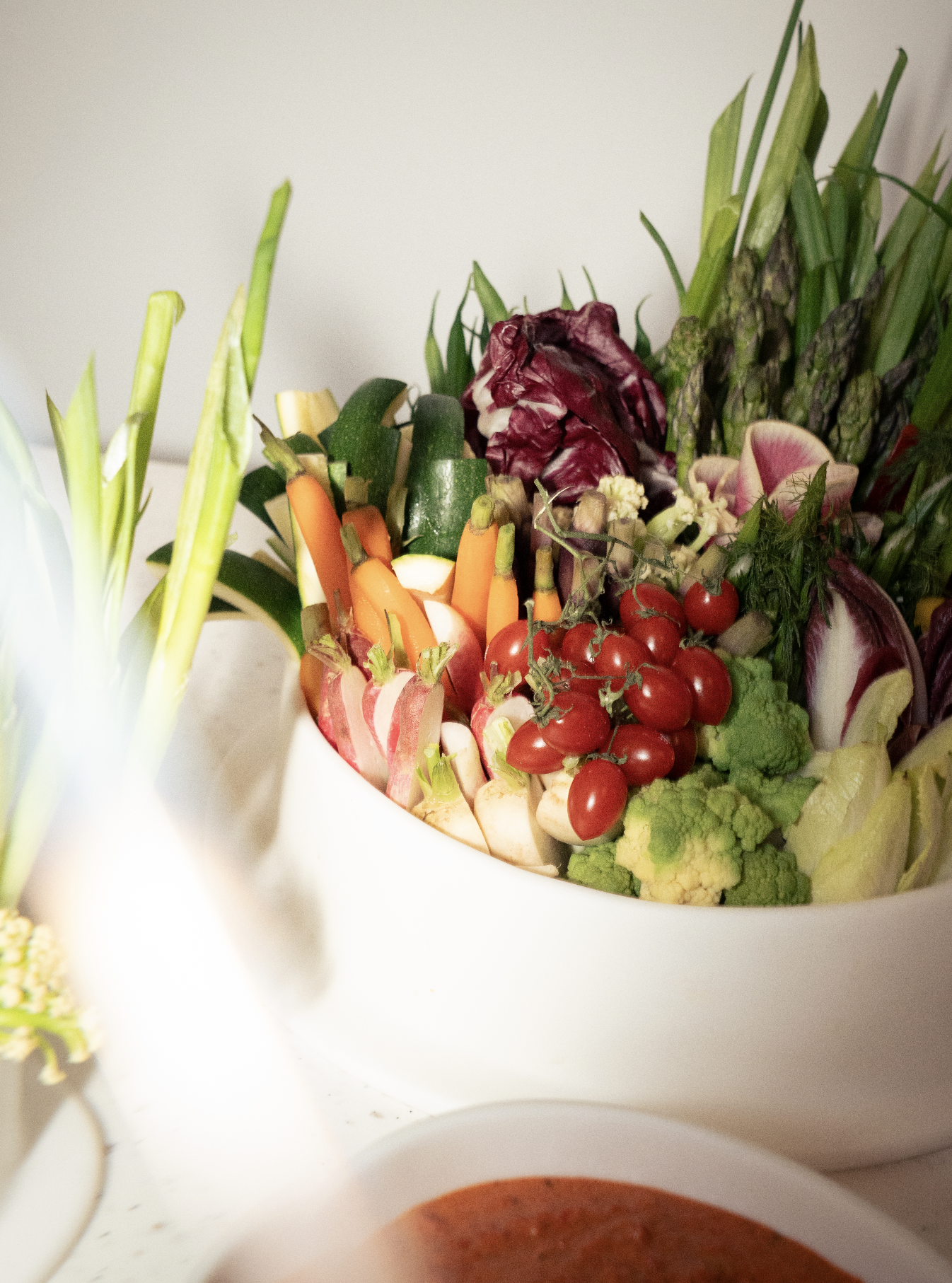
Despite its literal translation “raw things” a memorable crudités platter doesn’t have to be entirely raw. Adding a few blanched vegetables creates contrast in both texture and flavor. Tender asparagus, green beans, broccolini, or Romanesco can add warmth and variety while keeping the display rooted in fresh produce.
And, of course, no crudités is complete without the right accompaniment. Vegetables shine brightest when paired with a sauce that balances acidity and richness. A warm bagna càuda, a creamy miso aioli, or another dip that combines fat and acid transforms the experience from simply eating vegetables into something guests return to again and again.
Photos by: Photos by: @okcrowe + @_byericag
545 W 27th St
New York, NY 10001
212.244.7000
info@pinchfooddesign.com

© 2026